Why Professional Drain Rodding Remains a Go-To Method for Blocked Drains
The Realities of Clearing a Blocked Drain
Anyone who has dealt with a backed-up kitchen sink or a foul-smelling toilet blockage knows the immediate panic. Water rises, smells follow, and the clock starts ticking. In my years working across properties in Essex, London, and all around the M25, I have seen every kind of blockage imaginable. From fatbergs in external drains to stubborn root ingress that chokes underground pipes, the causes vary but the frustration is always the same. The first tool I reach for, more often than not, is a set of drain rods. There is a quiet art to professional drain rodding that many homeowners and even some tradespeople underestimate.
What Makes Drain Rodding a Professional Skill
Drain rods look simple enough: lengths of flexible, threaded plastic that you screw together and push into a pipe. But professional drain rodding is not just about shoving a pole down a hole. It requires a feel for the run of the pipe, an understanding of what kind of blockage you are up against, and the judgment to know when to push harder and when to stop. Push too hard and you can damage a joint or dislodge a fitting. Push too softly and you will not shift the obstruction. A seasoned operator learns to read the feedback through the rods, feeling for the difference between a soft grease plug and a solid mass of debris.
I have seen DIY attempts go badly wrong. A neighbour once tried to clear his own blocked drain with a garden hose and ended up flooding his own basement. Another time, a call-out involved a man who had snapped his own cheap drain snake inside the pipe, creating a far worse problem than the original blockage. That is where professional drain rodding comes into its own. We carry rods of different diameters and materials, and we know which to use for a kitchen sink blockage versus a toilet blockage. The right rod for a straight external drain is different from the one needed for a tight bend under a bathroom floor.
The Tools That Work Alongside the Rods
Drain rods are rarely the only tool in the bag. They work in tandem with other methods, and a good drainage engineer knows when to switch. For example, if I encounter a heavy buildup of grease or silt that the rods just push through temporarily, I will follow up with high pressure water jetting. That blasts the inside of the pipe clean and restores full flow. For more stubborn blockages where the rods cannot get a purchase, a drain snake with a corkscrew head can hook into the debris and pull it back. But rods remain the starting point for many jobs because they give you direct physical control and immediate feedback.
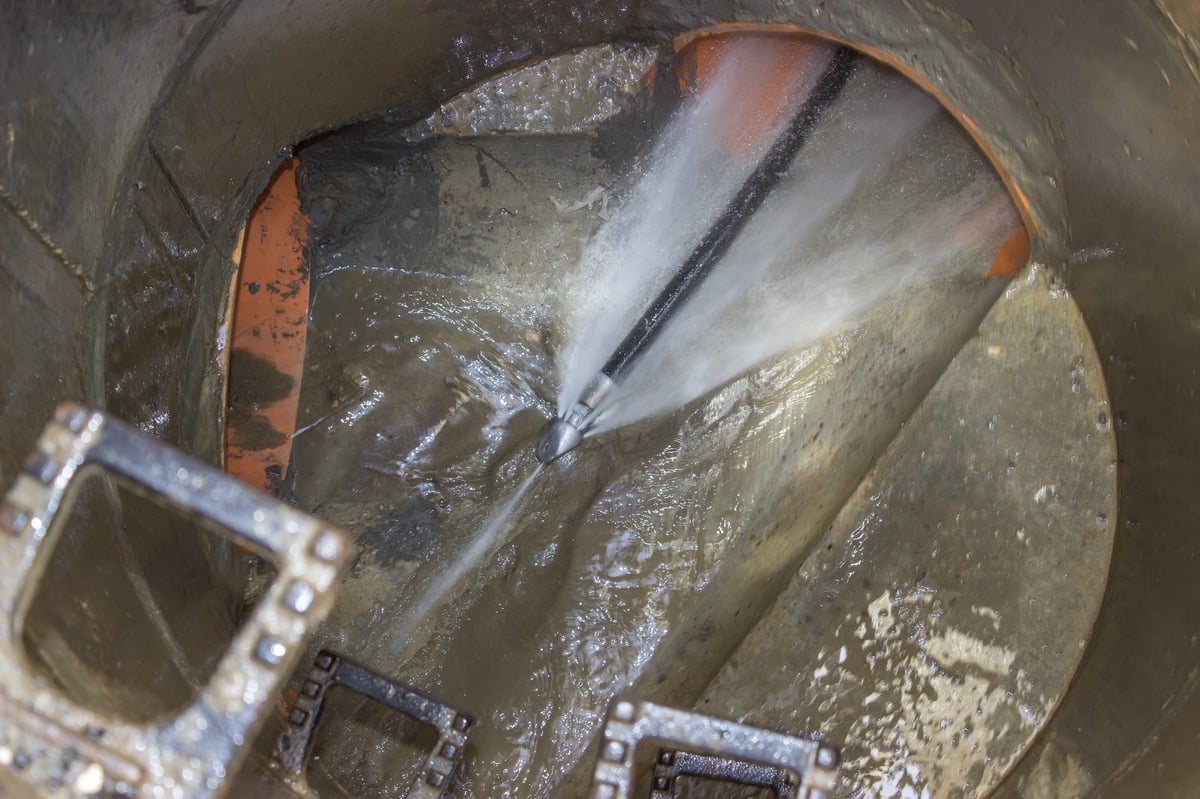
Another essential step before any serious work is a CCTV drain survey. I cannot count the times I have arrived at a job, rodded what seemed like a simple blockage, only to have the water drain away for a few days and then back up again. Without a camera inspection, you are working blind. A CCTV survey shows you the exact condition of the pipe: cracks, collapsed sections, root ingress, or misaligned joints. It tells you whether rodding alone will fix it or whether you need drain repair or even excavation. That combination of professional drain rodding with camera diagnostics is what separates a lasting fix from a temporary patch.
When Rodding Beats Other Methods
There is a lot of marketing around chemical drain cleaners and high-tech gadgets. But in many real-world situations, nothing beats a set of rods. Consider a toilet blockage caused by an object that should never have been flushed. Chemicals take hours and may not dissolve the item at all. A drain snake can be awkward in a toilet bowl. But a careful rod from the manhole cover outside can often push the obstruction through the trap and into the main sewer. I have done this dozens of times, and it works fast.
Similarly, for external drains that carry rainwater and surface runoff, professional drain rodding is often the cheapest and quickest solution. Leaves, mud, and gravel settle in gullies and underground pipes. Rods break up the sediment and let the water flow again. Unlike high pressure water jetting, rods do not splash dirty water back at you, and they require no heavy machinery to set up. On a cramped urban street in London, where parking is tight and access is limited, a set of rods can be deployed in minutes. That speed matters when a client is facing a flooded driveway or a backed-up utility room.
The Limits of Rodding
That said, professional drain rodding is not a cure-all. If a pipe has collapsed or is heavily fractured, rodding will not fix the underlying structure. You might clear the immediate obstruction, but the debris will keep collecting in the broken section. In those cases, drain repair or even relining is the only long-term answer. Also, for very long runs of pipe, the rods can become unwieldy. The friction of the rod against the pipe wall increases with length, and you can lose the ability to push effectively. That is when I switch to a drain snake or, if the blockage is deep, to high pressure water jetting with a camera to guide the nozzle.
There is also the matter of hygiene. Rodding a blocked drain means you are coming into contact with raw sewage and stagnant water. That is not something a homeowner should attempt without proper protective gear and training. Professionals wear gloves, boots, and sometimes full waterproofs. They also disinfect their rods and equipment between jobs to prevent cross-contamination. This is another reason why calling in a service like A+ Drainage Services, which offers drain unblocking with no callout fee, is sensible. You pay for the expertise and the safety, not just the tool.
Drain Maintenance: The Real Value of Regular Rodding
One of the most overlooked aspects of drainage systems is routine maintenance. Most people only call for help when the water stops flowing. But regular drain cleaning, including professional drain rodding once or twice a year, can prevent blockages from forming in the first place. I have clients in Essex who schedule a rodding and CCTV survey every spring, just to clear out the winter debris and check for any developing issues. Those properties rarely suffer from emergency blockages. The cost of a preventive visit is a fraction of the cost of an emergency call-out, especially when you consider the potential damage from flooding.
For commercial properties, the case for regular rodding is even stronger. Restaurants, cafes, and hotels all produce high volumes of grease and food waste. A kitchen sink blockage can shut down a business for hours. Regular rodding, combined with high pressure water jetting and grease trap maintenance, keeps the drainage system flowing and avoids the reputational damage of a backed-up toilet or a smelly external drain.
Choosing the Right Service
If you are searching for someone to handle a blocked drain, look for a company that offers a full range of services, not just rodding. A provider that can do CCTV drain surveys, high pressure water jetting, and drain repair will be able to diagnose and fix the root cause, not just the symptom. In the Essex, London, and M25 areas, A+ Drainage Services fits that description. They offer drain unblocking with no callout fee, which is a sign of confidence in their work. But more importantly, they have the experience to know when rodding is the answer and when it is not.
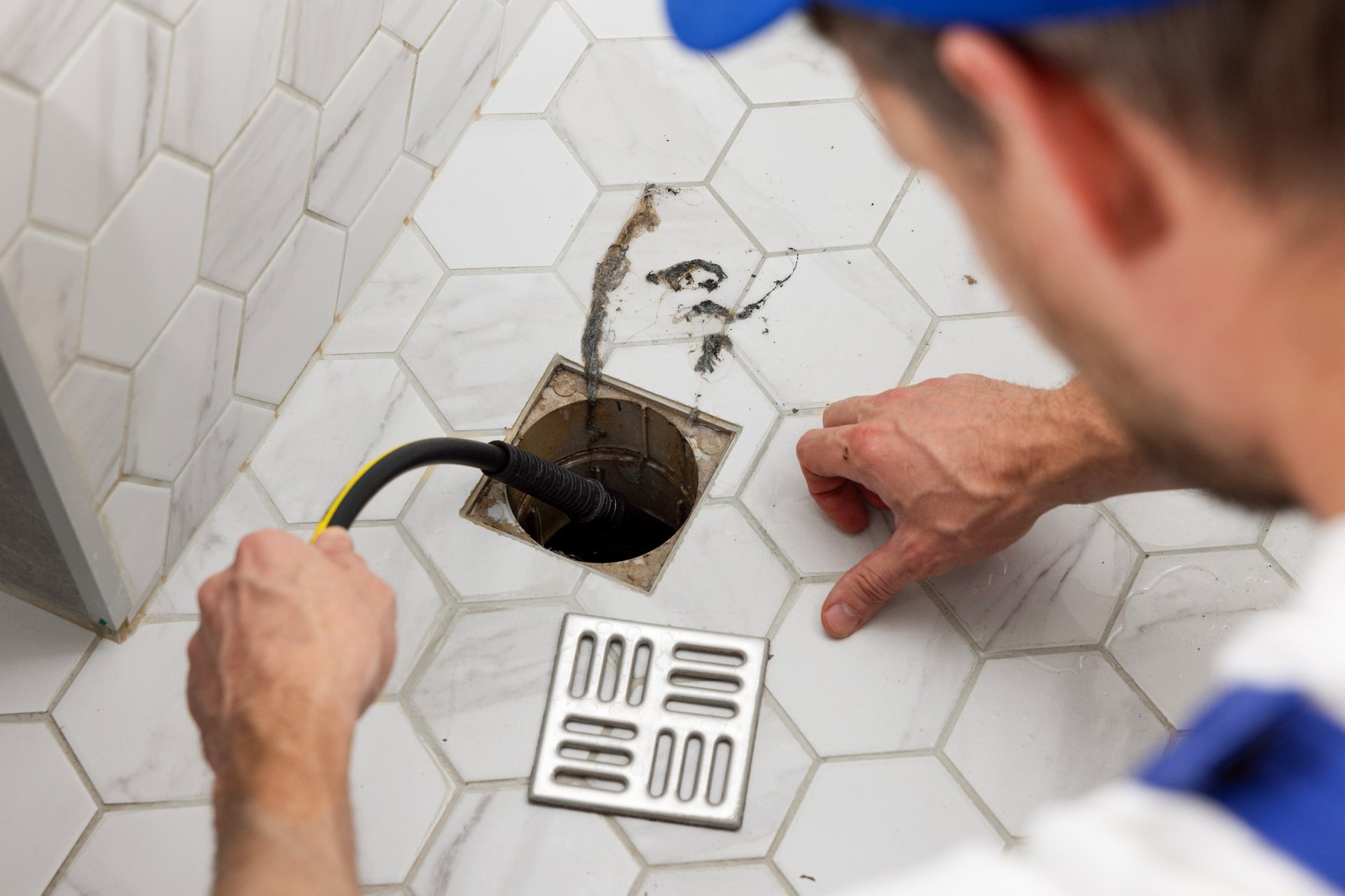
Always ask about their approach. A good engineer will explain what they plan to do and why. They will check the manhole covers, inspect visible pipes, and if the blockage is stubborn, they will recommend a camera survey before committing to a method. That kind of transparency is rare and valuable. It means they are treating your drainage system as a whole, not just a quick fix.
Final Thoughts on an Old But Effective Technique
Professional drain rodding may not sound glamorous, but it is a cornerstone of effective drain unblocking. It is quick, relatively cheap, and highly effective for a wide range of common blockages. When combined with modern tools like CCTV surveys and high pressure water jetting, it becomes even more powerful. The key is knowing when to use it, when to switch to another method, and when to call in a professional who does this day in and day out. If your drains are slow or backing up, do not reach for the chemicals or the cheap plastic snake. Call someone who understands the subtleties of the trade. Your drainage system will thank you, and so will your peace of mind.